
Only a lone crow
breaks the chill silence
sensing perhaps
as autumn fades
that winter’s wait is over
its time has come.
Photo & poem © Paul Kleiman 2015

Paul Kleiman's fragments at the edge of creativity, chaos, education and the life academic
Only a lone crow
breaks the chill silence
sensing perhaps
as autumn fades
that winter’s wait is over
its time has come.
Photo & poem © Paul Kleiman 2015
No
No
No, you
No, you
No, you start
No, you start
No, you started it
No, you started it
No, you started it by….
No, you started it by….
No, you started it by stabbing us
No, you started it by shooting us
No, you started it by firing rockets at us
No, you started it by bombing us
No, you started it by killing our boys
No, you started it by killing our boys
No, you started it by throwing stones at us
No, you started it by building settlements on our land
No, you started it by sending suicide bombers
No, you started it by occupying us
No, you started it by waging war against us
No, you started it by insisting it’s your land
No, you started it by refusing to accept we have a right to live here
No, you started it by refusing to accept we have a right to live here
No, you started it by wanting to throw us into the sea
No, you started it by coming here in the first place
No, you started it by refusing to recognise we’ve always been here
No, you started it by leaving Egypt to come here
No, you started it by making us slaves
No, you started it by coming to Egypt in the first place
No, you started it by….
No, you started it by…
No, you started it
No, you started it
No, you started
No, you started
No, you
No, you
No
No
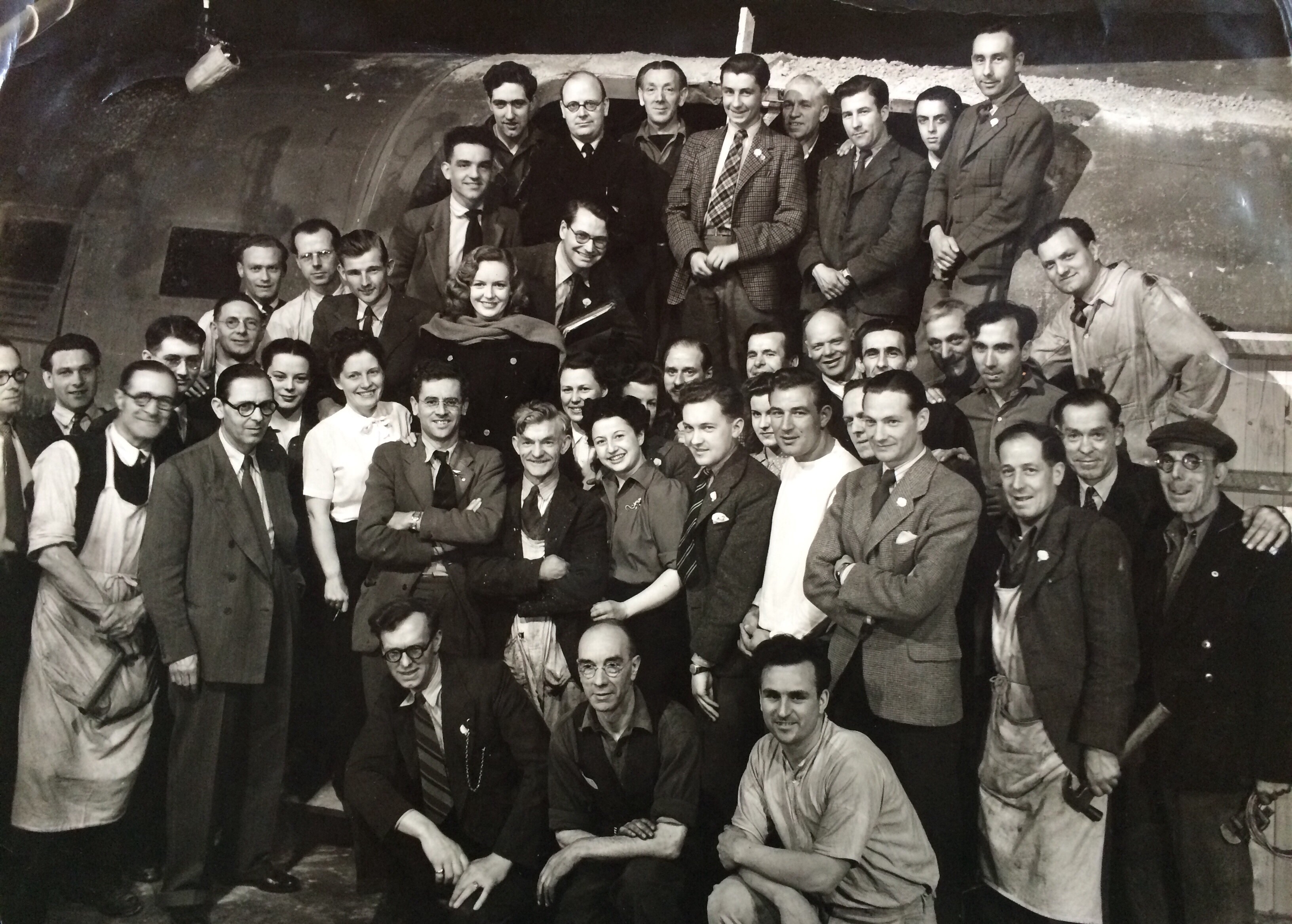
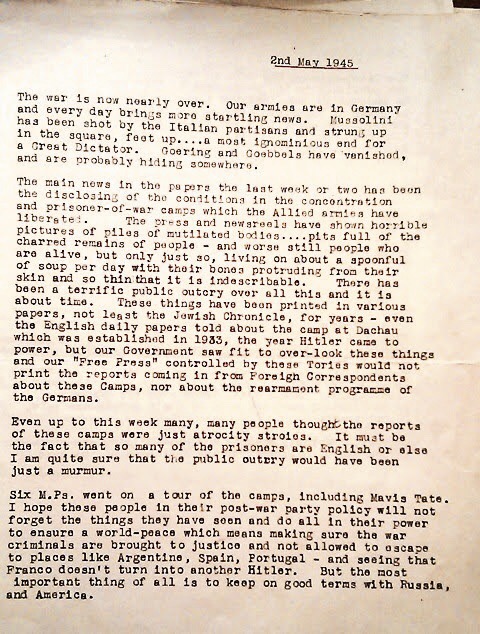
When my mother, Shirley, died aged 86, we knew that she had kept a detailed page-a-day diary from the age of 16 until the day before her last journey to hospital. What we didn’t know, until we started clearing her flat in north London, was that she had carefully and meticulously kept and archived all the important (and many not so important) documents and records of her life and the times in which she lived: letters, postcards, photos, journals, newspaper articles, travel guides, maps, etc.
As well as that, she had regularly, particularly towards the end of her life, revisited her diaries, adding what she called her “rememberings” of people, places and events, such as growing up in Deptford near the London docks, the blitz, and being evacuated to a farm in Devon.
During and after the second world war, she worked in the British film industry, first as a secretary, then in continuity. In her letters, journals and diaries she wrote detailed, acerbic and often very funny descriptions and reflections on the various goings on.
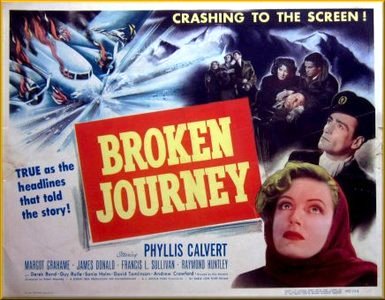 The photograph is one of several we have of the various productions she worked on, along with her production diaries and notes. This one is of the whole crew and the actor Phyllis Calvert (with the scarf) who made Broken Journey – a film about survivors of an air crash in the Alps – shot at Pinewood studios and on location in the French Alps by Gainsborough Pictures in 1948. It was directed by Ken Annakin (who later directed Those Magnificent Men In Their Flying Machines).
My mother is right in the centre, as she was throughout her life.
(This first appeared in The Observer newspaper, 29 August 2015)
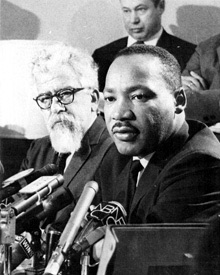
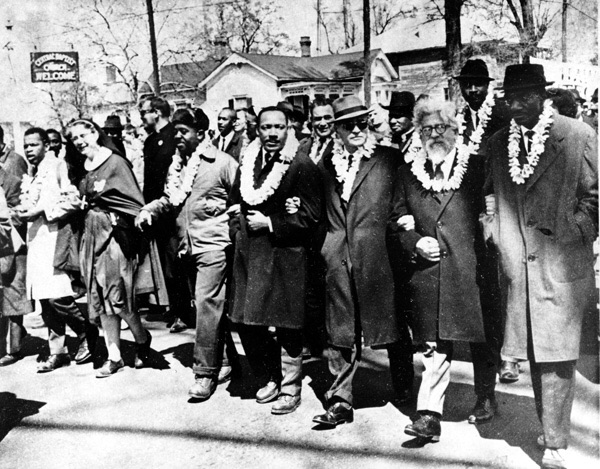
Like many, I’ve been watching the commemorations and celebrations of the 50 years since the momentous ‘Bloody Sunday’ on 7 March 1965 in Selma.
Looking at the various films and photographs from that time and place, you may have noticed that in a number of them, standing or sitting next to Dr. Martin Luther King is an elderly white man, wearing glasses and with a shock of white hair and long beard. His name is Rabbi Abraham Joshua Heschel, which is the anglicised version of his Hebrew name: Avraham Yehoshua Heschel….which was also my father’s Hebrew name. They were both named after a famous 17th century Polish rabbinical mystic.
Rabbi Heschel was a leading figure in American Judaism and also a very active social activist. He believed strongly that one’s spirituality must have legs. At the invitation of Martin Luther King Jr., Heschel participated in the opening day of the 1965 civil rights march from Selma to Montgomery for voting rights. The photograph of Heschel walking alongside King and other religious and political leaders is considered an emblem of the civil rights movement and of Black-Jewish relations of that era.
After the march, Heschel wrote about the experience in a private memo, “I felt my legs were praying.”
Jumping to the present, and the particulars horrors emanating from the so- called Islamic State, with its violent, barbaric intolerance of anyone and anything that does not fit with its particular world view, Heschel’s caution about the dark side of religion has a particular resonance:
“…when religion speaks only in the name of authority rather than with the voice of compassion, its message becomes meaningless.”
As we commemorate 70 years since the liberation of Auschwitz and, no doubt, in a few months time, the end of WW2, my mother’s journals and letters are powerful and poignant personal reminders of that time. She was 19 years old.
 Stumbling with Confidence