‘See me. Feel me. Touch me.’

From virtual to visceral learning

After I wrote a piece on inspiring learning through objects and artefacts, I began to think a bit more about what makes that form of learning so powerful. I was walking the dog (I use it as a form of idea-generation therapy) wondering what might be the opposite or complementary term to ‘virtual learning’. Suddenly, as I walked past the butcher’s shop in the shopping precinct, the word ‘visceral’ fell into my head. Passers-by must have wondered at this figure muttering to himself and repeating the phrase ‘virtual learning, visceral learning’.

I began to like the idea of visceral learning, with its connotations of strong emotions and physical experiences (not to mention unmentionable bodily functions).  I suspect, however, that we won’t be seeing the phrase ‘ visceral learning’ in our institutional mission statements and learning and teaching strategy documents. ‘Immersive’ is much safer, but doesn’t have the visceral heft.

Why visceral?

There is a phenomenon that has been occurring in the last few decades, particular in the arts and popular culture. Essentially it consists of a reaction to a world that, increasingly, is viewed and experienced via gazing at a screen – whether a TV screen or a computer monitor or laptop/tablet/phone screen. Once, audiences used to flock to the theatre to watch the ‘well-made play’. They would sit in the dark, in silence, watching the action on stage. Then TV came along. Similarly  people used to flock to Working Men’s Clubs for a ‘good night out’. Then TV came along. Then computers came along, and now we’ve reached the point where a virtually infinite universe of entertainment and information can be accessed at the click of a mouse or, more recently, by tapping the screen or simply by asking Siri or Alexa or your favourite AI ‘friend’.

But there was a reaction to this sitting in front of a screen; and that reaction was to make performances more visceral. No longer was it sufficient to sit passively and watch. The relationship between the performer, the ‘text’, the audience and the environment became blurred, mutable, transactional. The veritable explosion of site-specific, immersive, interactive performances and performance experiences can be seen, in part, as a reaction to the relative passivity of just watching a screen. Audiences were engaged and involved: physically as well as emotionally. And that pattern can be seen in many fields beyond theatre.

Higher education has, perhaps, been a bit late to the visceral learning party. Perhaps it’s got something to do with the innate distrust of anything that is not focused on the mind and the intellect. If you want to put this to the test, try doing a simple, short physical warm-up exercise with a group of colleagues or students from non-performance based disciplines. The looks and expressions tell you that you might as well be asking them to stick needles in their eyes!

But there’s clearly a shift happening, though currently it tends to occur predominantly amongst the creative, educational  ‘outliers’. But slowly, as in Wenger’s notion of legitimate peripheral participation, as more individuals and groups within that community of practice adopt and adapt the ideas, discourses and – importantly – the new or certainly different practices, the activity moves gradually from the periphery towards the centre of a particular community of practice.

The virtual and the visceral are the ying and yang of learning and teaching. It’s not either/or, but both/and. The more institutions focus on enhancing (and investing) in digital and virtual learning experiences, the more that needs to be complemented by enhancing (and investing in)  visceral learning experiences. No longer should students be required to sit passively in the (lecture) theatre, listening to and watching the action on the stage. They can usually get that via clicking a mouse or tapping  the screen and watching the video of the lecture on YouTube (or via the VLE). Visceral learning goes beyond ‘engaged’ learning. It involves immersing oneself intellectually, emotionally, physically and kinaesthetically in the learning experience. That learning experience needs to be designed skilfully to enable that immersion to occur, and it needs skill and confidence on the part of the teacher, who acts not as a transmitter of knowledge but as a guide, mentor and partner through the visceral learning journey.

Tell me and I forget.

Teach me and I remember.

Involve me and I learn.

(Benjamin Franklin)

Revealing assessment through drawing

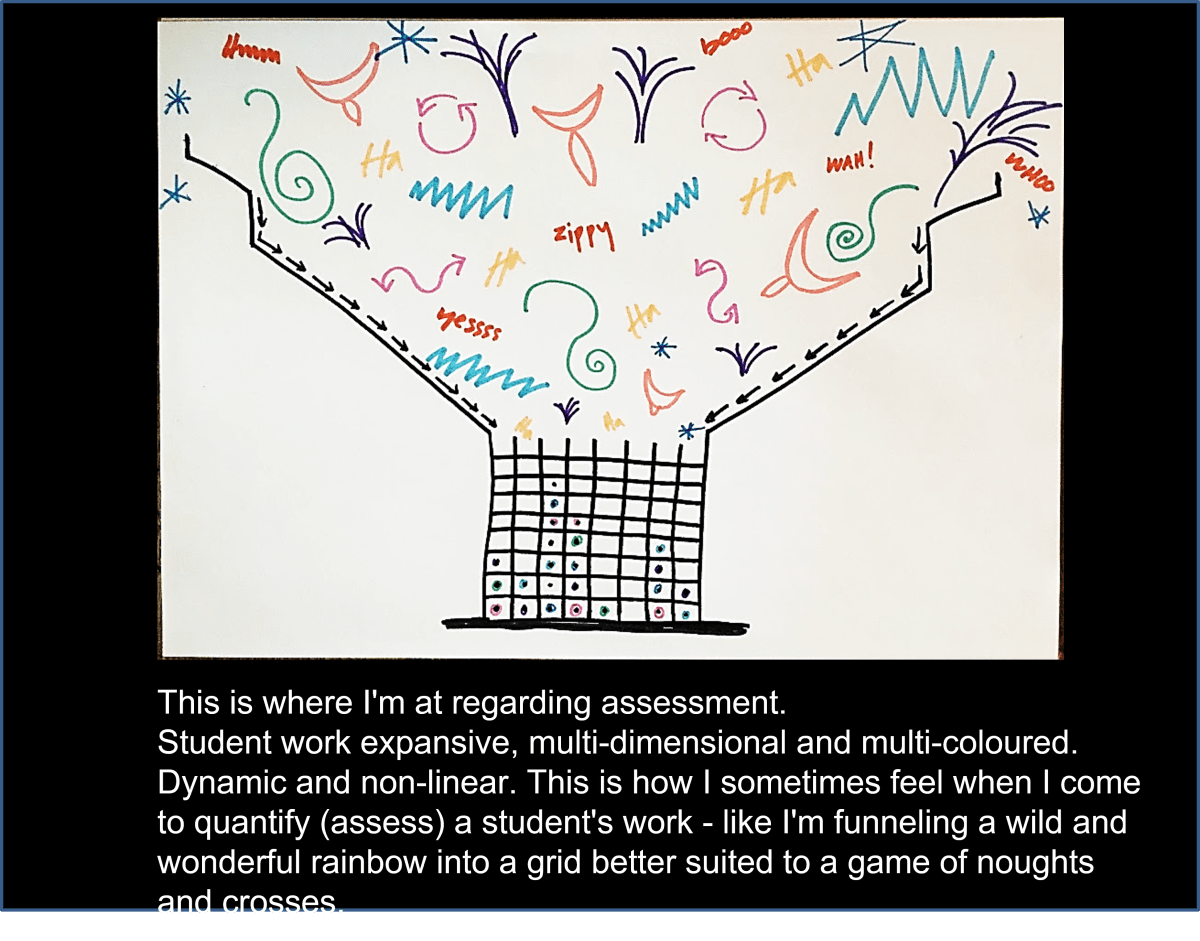
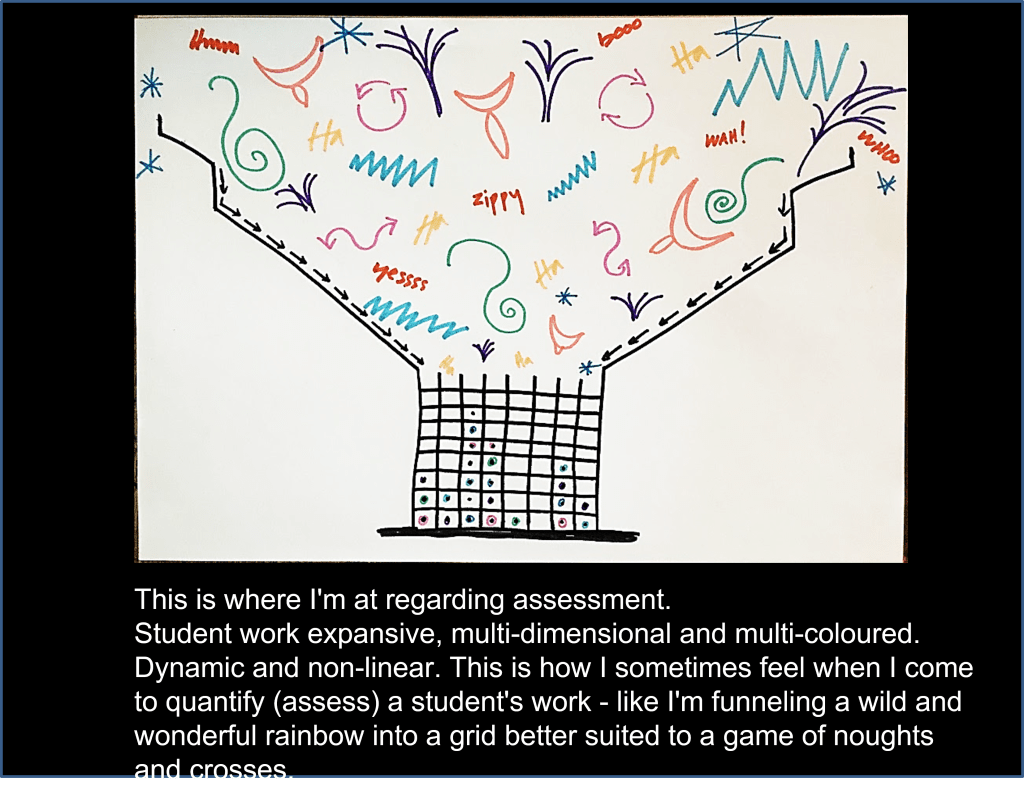
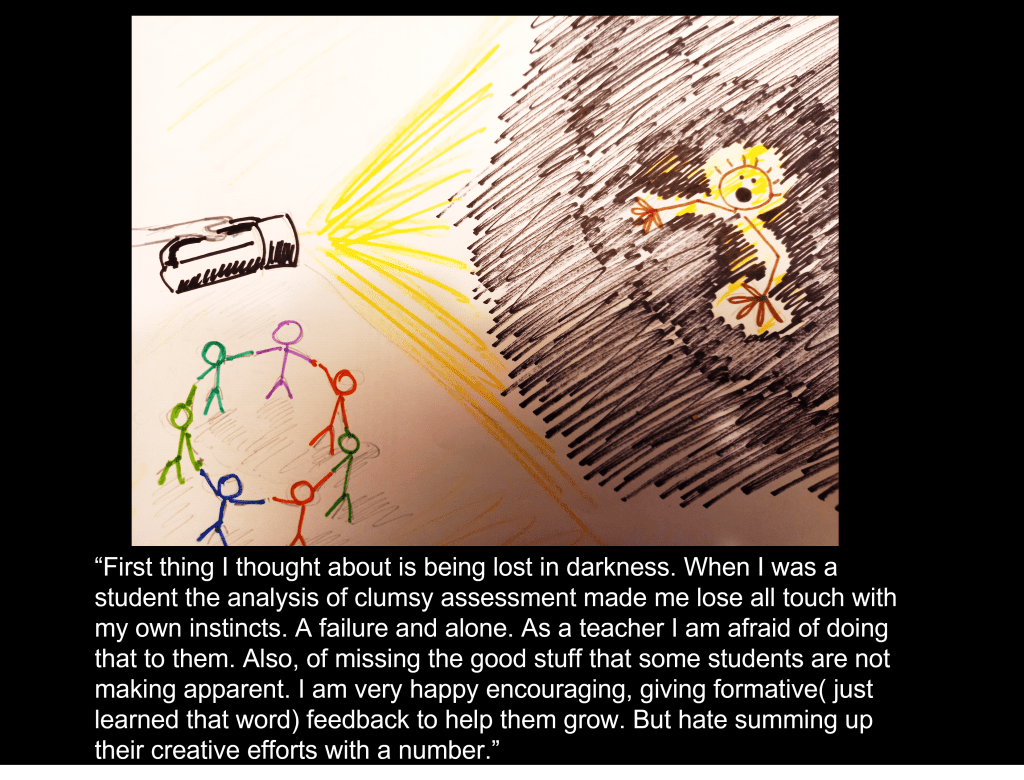
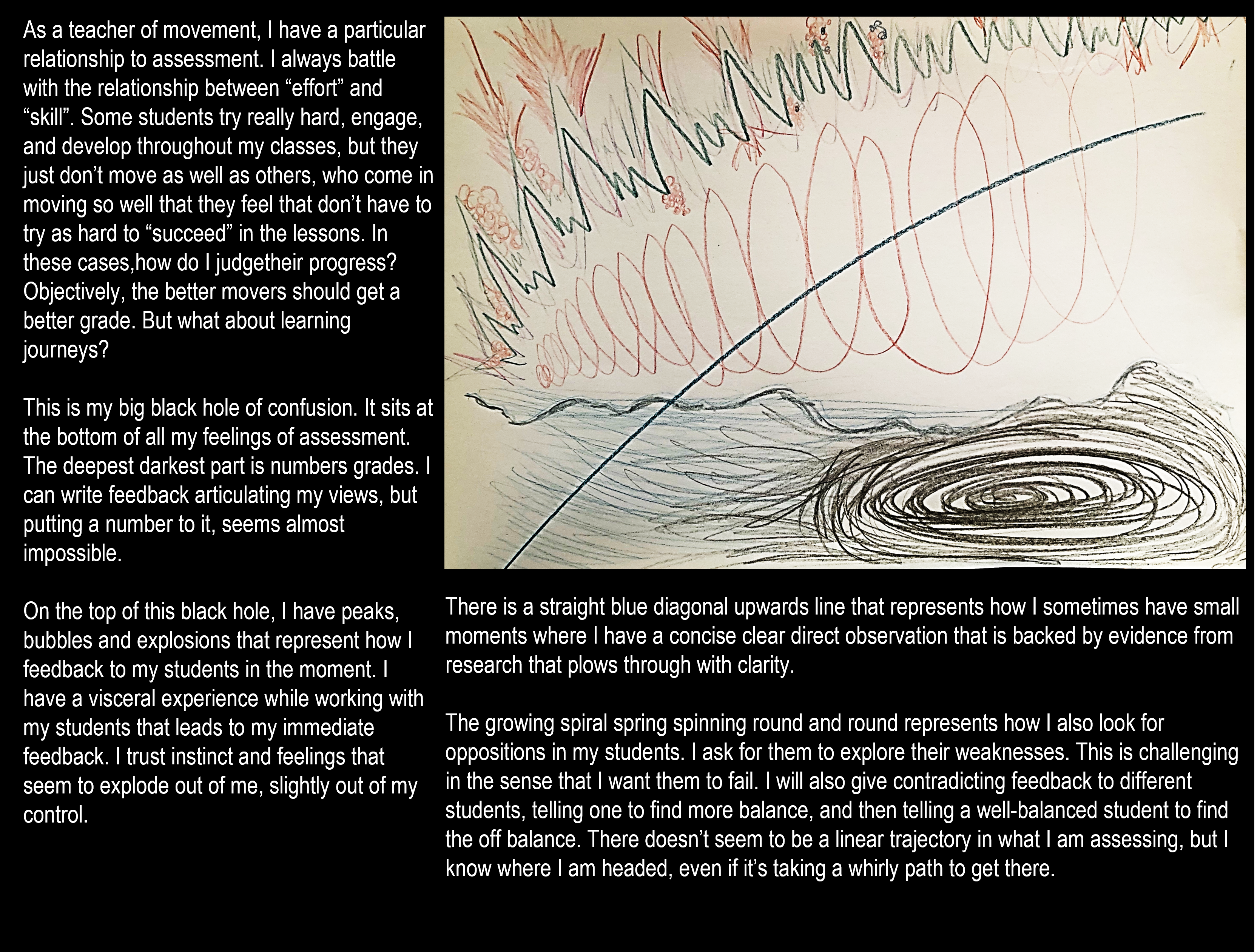
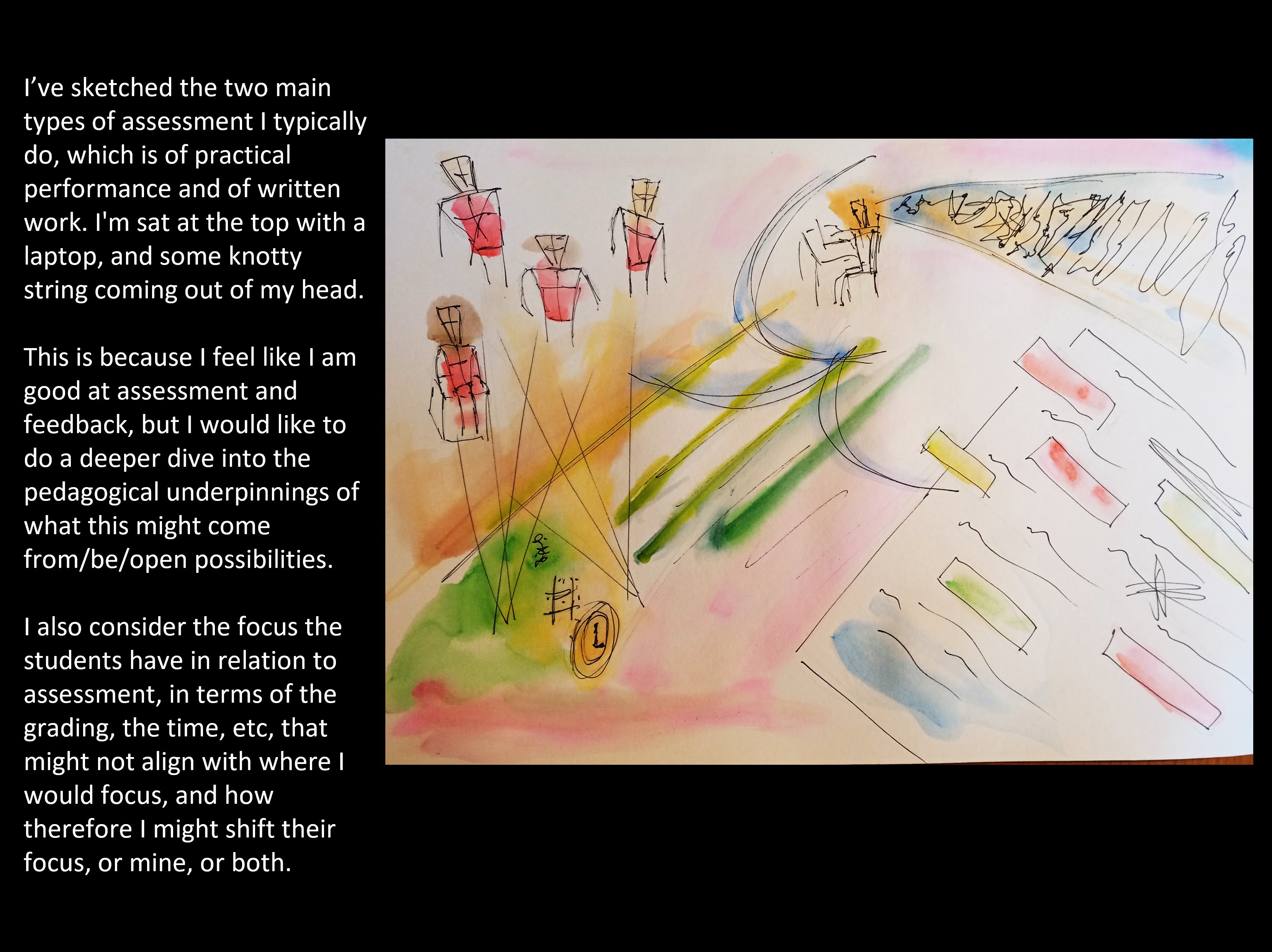
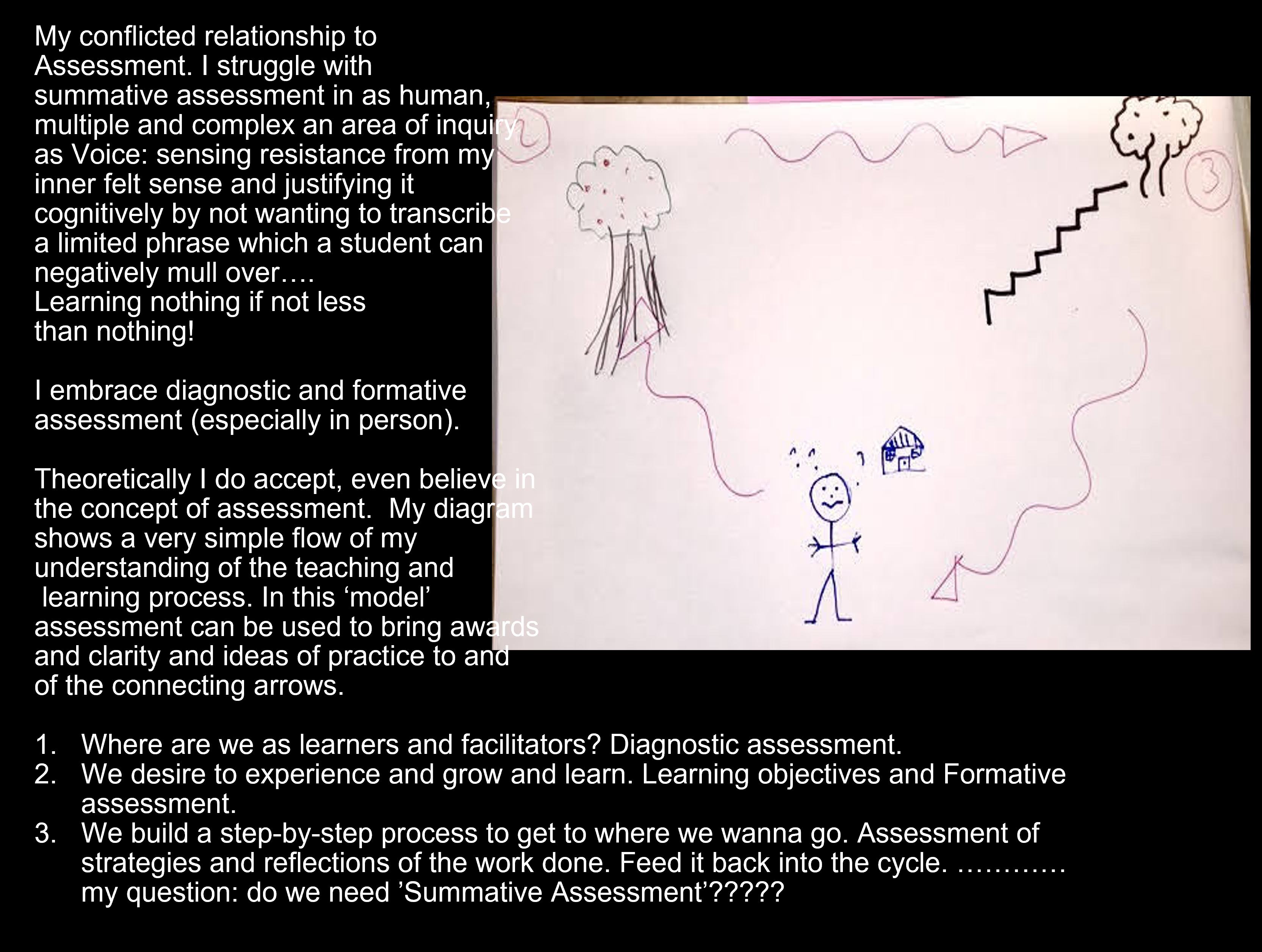
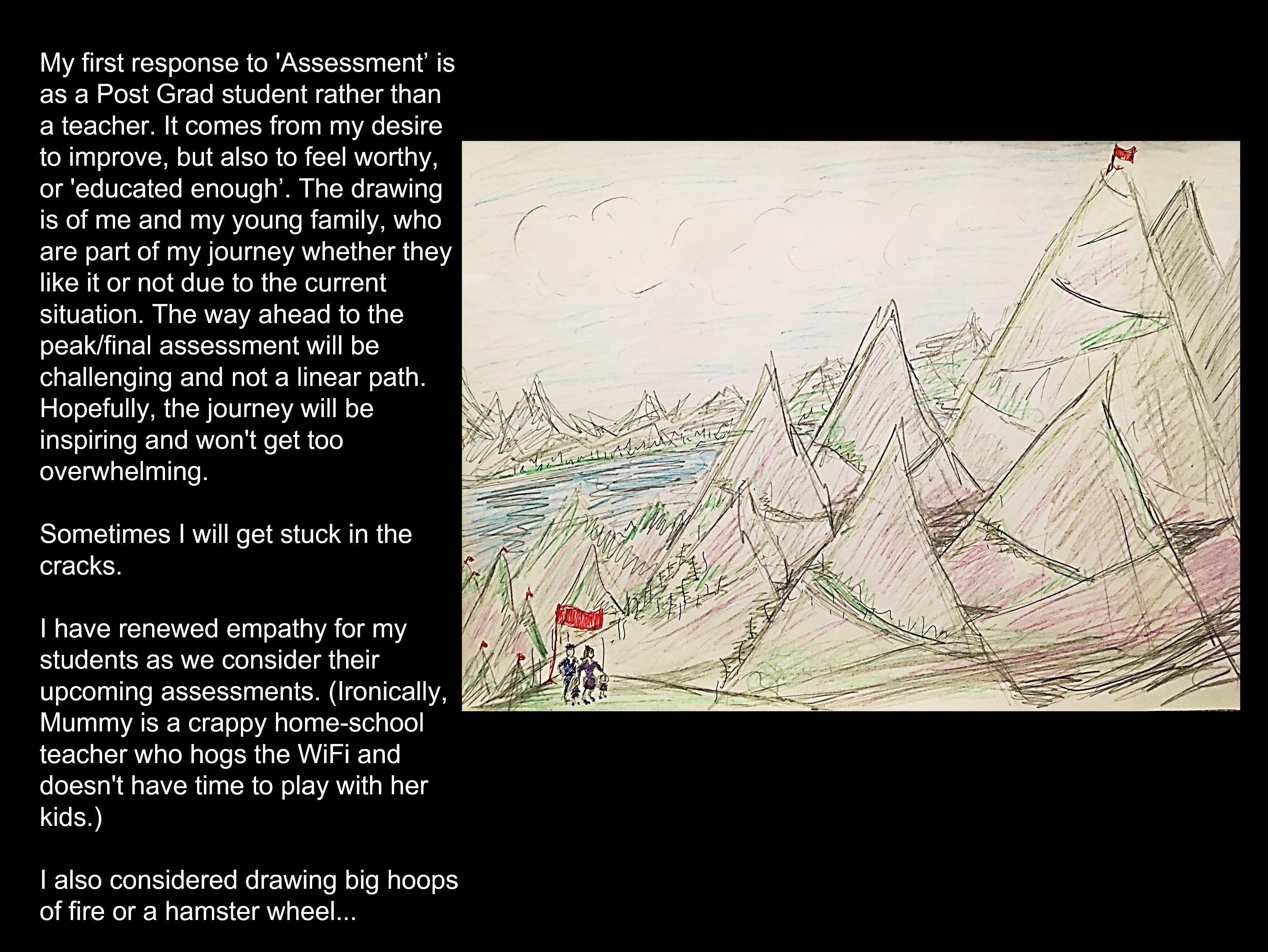
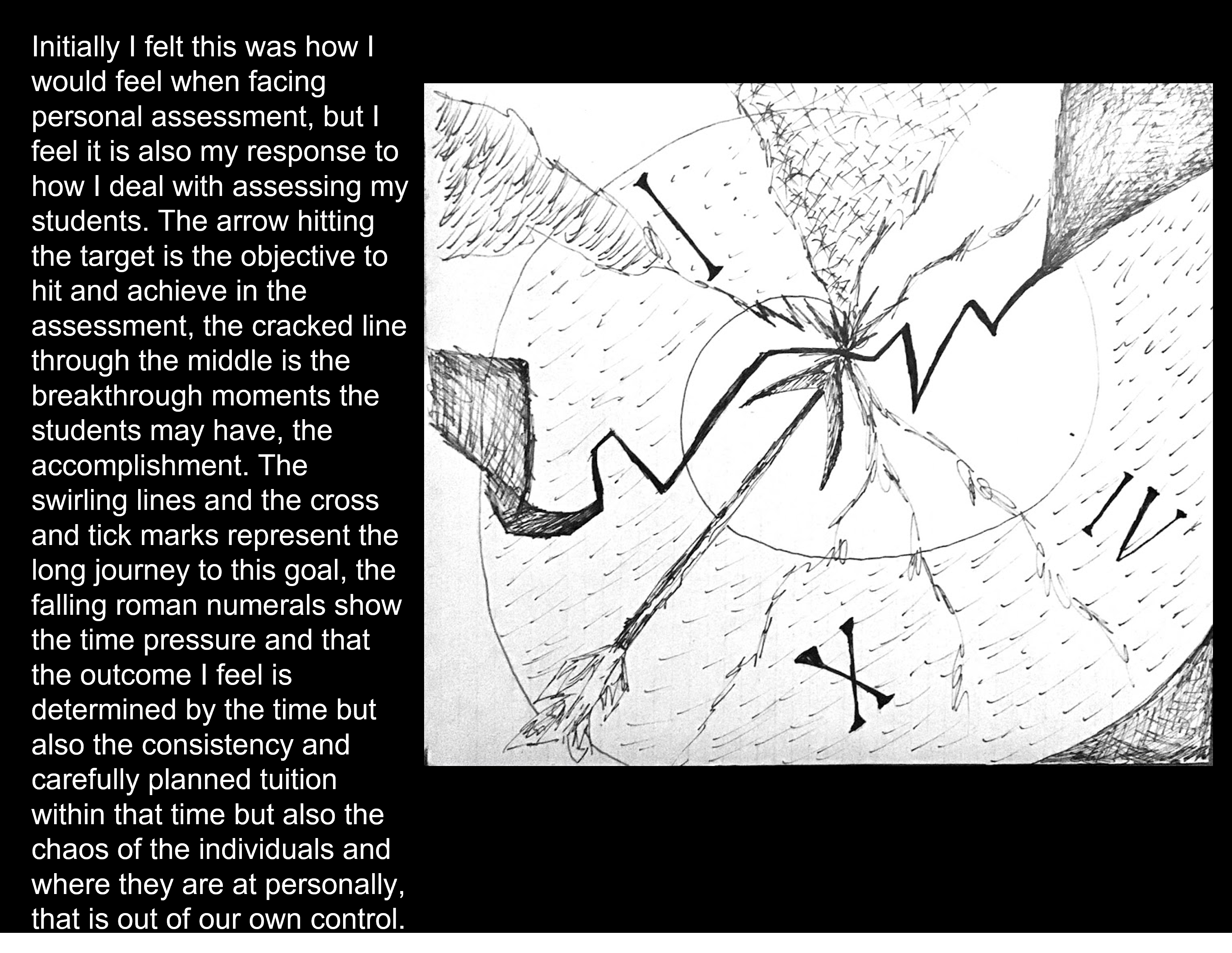
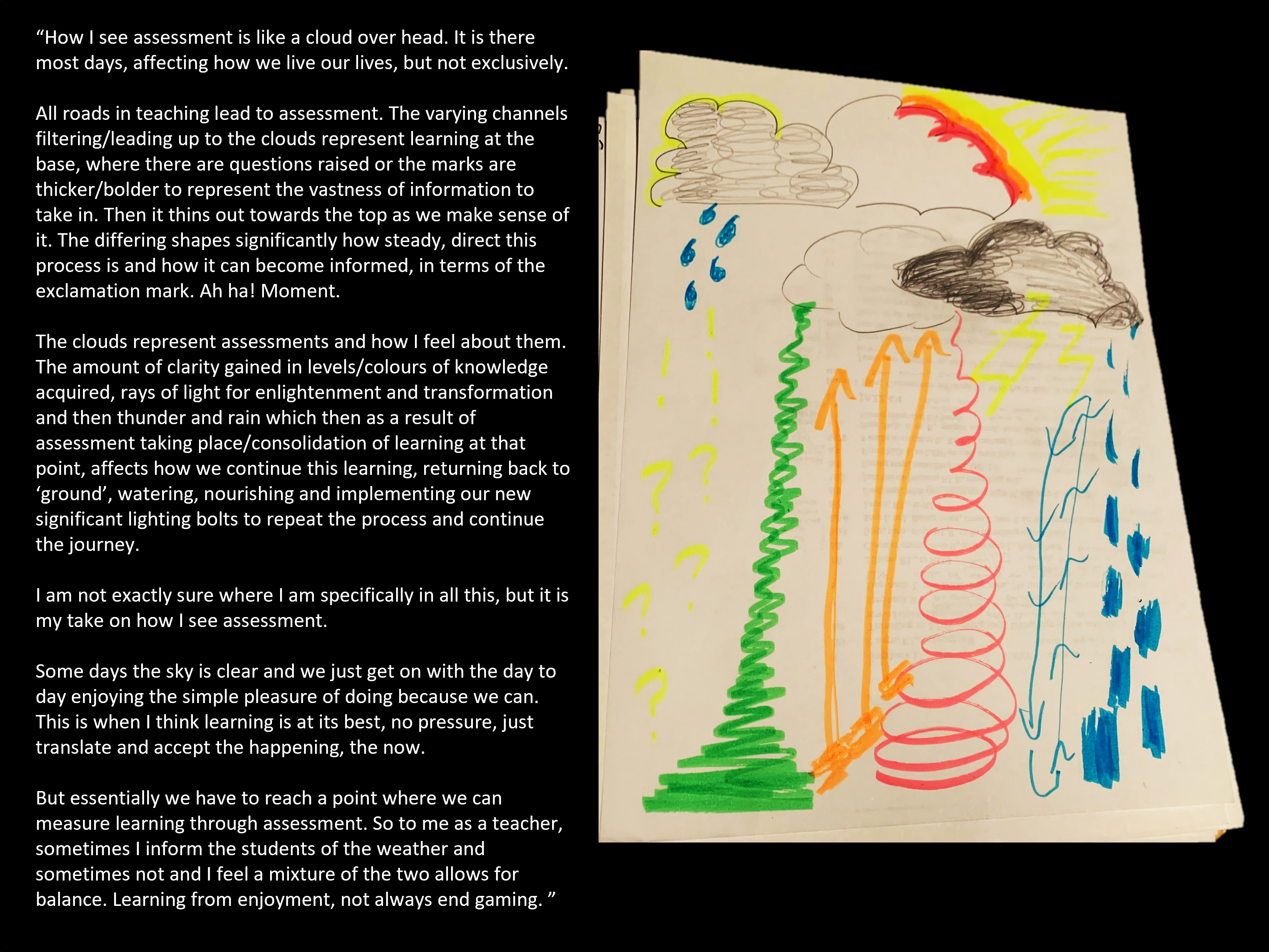
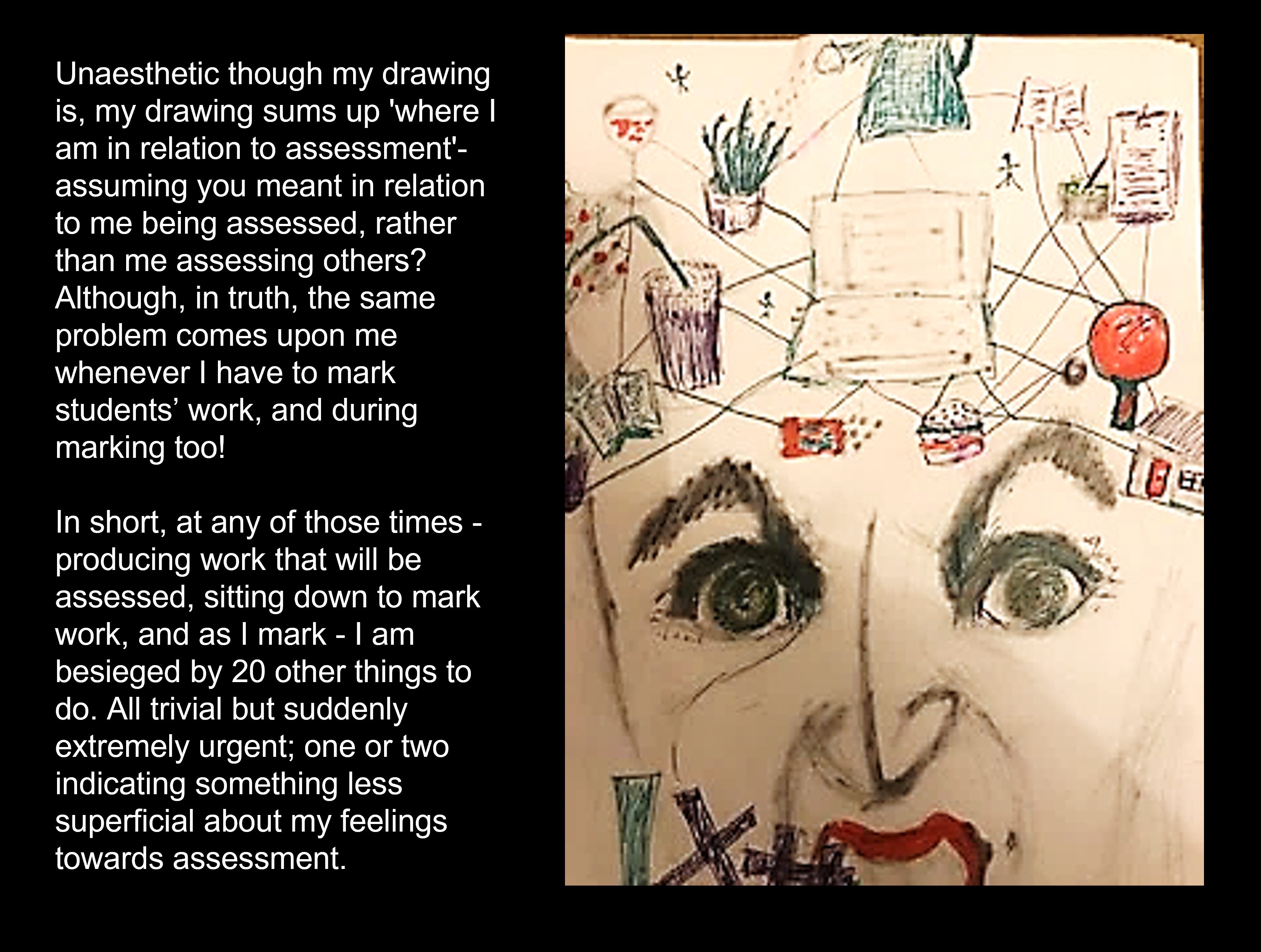
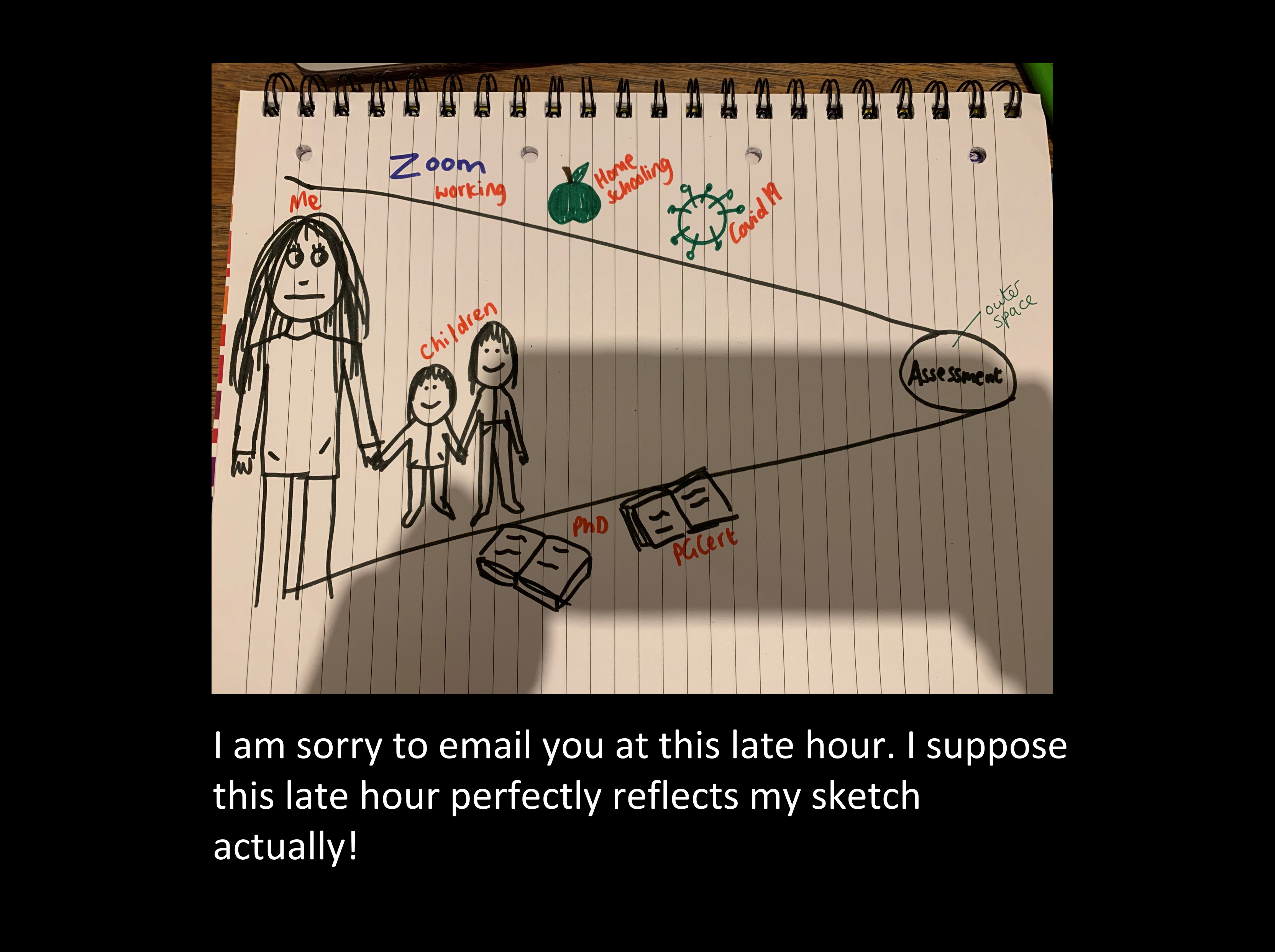
When leading workshops on assessment I often start with a ’warm-up’ exercise in which the participants, supplied with sheets of paper and plenty of coloured pens, are asked to draw/make marks on paper about how they feel in relation to assessment: as assessors or being assessed or both. They then share their work with the rest of the group and are given 30 seconds to describe/explain their drawing.

The task not only energises the room at the start of an intense few hours but is also very revealing about attitudes towards and feelings about assessment. It also puts paid to the idea that only some people are creative or can draw. No matter which disciplines are represented by the participants, there is always an interesting, revealing and creative response.

During Covid, the workshops went online and participants were asked to create their drawings then upload them together with their short commentary. These are just a few, published with permission, of the responses to the task.

Thinking, Making, Doing, Solving, Dreaming: reflections on completing a PhD thesis on creativity in higher education

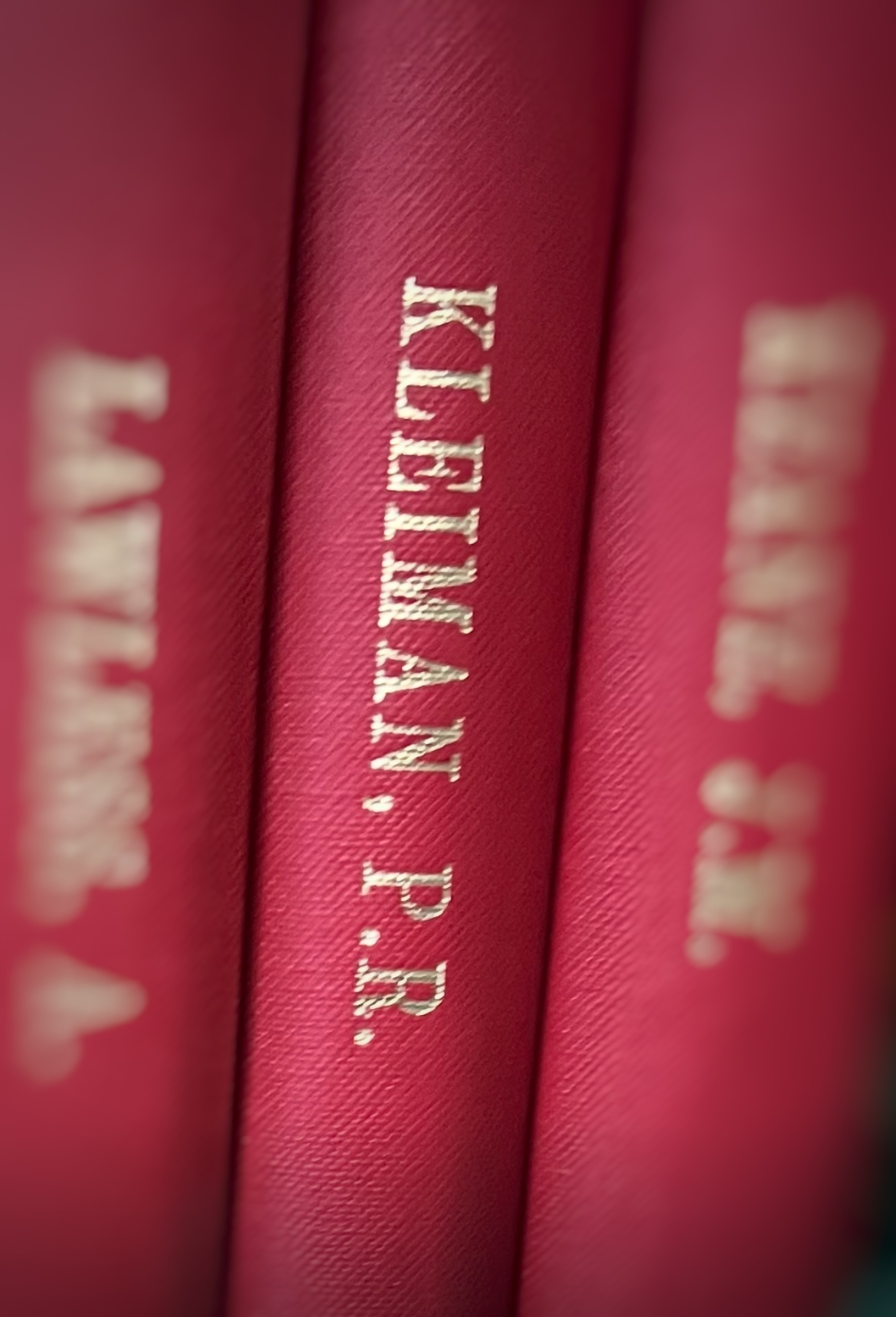
Recently, I undertook a PhD viva as external examiner at the university department where I did my own PhD. The viva took place in a room the shelves of which contain copies of every completed PhD. And there it was!

I finally completed it in 2007 at the end of a long four years during which I stopped work completely on researching and writing for over a year due to the long illness and death of my father. I eventually and successfully finished it due, in no small part, to the feeling that I wanted to honour his memory.  I took it off the shelf and as I started to read it, a whole lot of memories and emotions came flooding back, particularly reading the short final section where I reflected on my own learning journey. Here is that reflective section, which I hope may be of some use or interest.


Epilogue

Wanderer, there is no path;
The path forms itself as you walk it.
                                       (Machado)

Amongst the more significant of the research outcomes to emerge from this study of the different ways that a group of university teachers experience creativity in learning and teaching is the complexity and richness in the way academics perceive their experience of creativity in learning and teaching, and their enthusiasm for and interest in it.  The centrality of creativity-as-transformation in relation to learning and teaching, and the importance of creativity in relation to personal and/or professional fulfilment, poses a series of challenges to the current focus on creativity in higher education.  The outcomes suggest that there is much more to the experience of creativity in learning and teaching than simply ‘being creative’. Furthermore, the outcomes indicate that a focus on academics’ experience of creativity separated from their larger experience of being a teacher may encourage over simplification of the phenomenon of creativity, particularly in relation to their underlying intentions when engaged in creative activity.

The significance in these research outcomes is that academics need to be perceived and involved as agents in their own and their students creativity rather than as objects of, or more pertinently, deliverers of a particular ‘creativity agenda’.  The transformational power of creativity poses a clear challenge to organisational systems and institutional frameworks that rely, often necessarily, on compliance and constraint, and it also poses a challenge to approaches to learning, teaching and assessment that promote or pander to strategic or surface approaches learning.

The studies into conceptions of learning and teaching demonstrate that, at its best, learning and teaching is about transformation. This study suggests that whilst for higher education institutions (and even the government) creativity is seen as the means to an essentially more productive and profitable end, for university teachers, creativity is essentially about transformation.

A personal reflection

This study is a product of an abiding interest in creativity, and it is interesting to reflect – at the end of a long and arduous period of research and writing –  on my own categories of stasis, process, and transformation in relation to this study. Though it was always clear that I wanted and intended to undertake a study into conceptions of creativity, it took a lengthy period of thinking, reading and discussion to opt finally for a single methodology approach i.e. phenomenography.

My original intention was to use a mixed methods approach that would utilise phenomenography and activity theory. However, after careful consideration of a whole set of factors including the nature of the study, time and resources, it was clear that utilising a single methodological lens was by far the best option.

The appeal of phenomenography lay both in its utility i.e. the right tool for the job, and its methods. My professional arts practice and a great deal of my pedagogic practice is focused on the construction, deconstruction and reconstruction of narratives.  In the course of understanding – certainly to a much greater extent than I did before – what phenomenography is and how it works, I was attracted to the way in which it creates an holistic relational structure of meaning through the purposeful and rigorous deconstruction and reconstruction of experiential narratives.  The gradual comprehension of what phenomenographic praxis entailed was characterised by a series of surges forward and leaps backward (the retrograde movement often greater than the forward movement), interspersed with periods of stasis that were of varying length.

A significant ‘threshold’ moment was when I was able to make the link between being a phenomenographic researcher and being a designer. A well-designed research study needs to fulfil the principles of what characterises good design generally e.g. it is  innovative, logical, honest, it requires attention to detail, it is focused on enhancing the users’ (in this case the readers’) experience, it is elegant and minimal.  This study certainly aimed to meet those criteria and display those qualities.

The understanding that the outcomes of phenomenographic research are constituted by the researcher in direct relationship with the data led me to undertake all the interviews and the consequent transcription myself. It never occurred to me to do otherwise, though the practicalities of dealing with a much larger sample than that involved in this study may well have induced some pragmatism.  I enjoyed undertaking the interviews though I was always cognisant of the need to achieve and maintain the important but delicate balance between empathy and bracketing.

Though undertaking the task of transcribing the interviews could not be described as particularly enjoyable, there was a great deal of satisfaction derived from listening to the richness and detail of what was said, and ensuring that it was written down as accurately as possible. There was a strong sense, amongst the sheer grind of the transcription process, that what had been said in the interviews and what I was listening to through the headphones was important and valuable – not only to me as the researcher, but also to those speaking the words. That sense of the value of what I had obtained made me determined to ensure that the data was considered, at all stages, with the utmost integrity and rigour.

I had underestimated significantly the time required to undertake the interviews and the transcriptions, which included – as is the case with most if not all participants in the doctoral programme – fitting the work on this study in and around significant work and domestic commitments. However, that underestimation paled into insignificance compared to the time it took to undertake the analysis of the approximately sixty thousand words that constituted the data. Whilst the interview and the transcription processes were relatively straightforward, the process of analysis coincided with my long and difficult journey into understanding phenomenography. As the Machado poem quoted at the front of this study says: the path was unfolding as I was walking it.

There were a number of personal attributes and dispositions that assisted me in the rather daunting quest to seek out the structure of variation across the transcripts, and to undertake the intense iterative process of constituting, re-constituting and distilling the categories of description and the structural and referential aspects of variation. Amongst them was a dogged determination to undertake the task properly allied to a genuine enthusiasm for solving complex puzzles. It may seem a rather trite comparison, but the capacity to sit for an extended amount of time considering, categorising and attempting to piece together the hundreds of pieces of a complex jigsaw was a useful attribute in tackling the analysis stage of this study.

The mock viva proved to be another significant influence on the course of this study. I approached it with serious misgivings and feelings of doubt. But I appreciated greatly that it provided a relatively safe and supportive environment in which to test, in front of my peers on the course, not only the appropriateness of my approach but also the wider knowledge and understanding that I had acquired. The probing questions and constructively critical comments provided me not only with a crucial sense of confidence and encouragement that I was ‘on the right track’, but also provided me with useful insights into the gaps that I needed to fill and the pitfalls I needed to avoid. I must admit to being somewhat surprised not only at the depth and breadth of my own understanding of the subject, but also my ability to articulate that understanding in a relatively coherent fashion.  It also made me reflect, in relation to learning and teaching, on the enormous amount of tacit understanding that individuals acquire, and the importance of creating opportunities for at least some of that understanding to be made explicit.

Finally, to return to the quote from Machado at the beginning of this study, I have certainly walked, occasionally stumbled, and for some considerable time actually stopped – along the path of this study as it has formed itself.  While the path continues in terms of further research, this document represents the end-point of a long, complex and fulfilling stage of that journey, and marks my own thinking, making, doing, solving…..and dreaming.

Notes from the edge: piano lessons

I aim to play the piano most days, if I am near one. I work from home a great deal of the time, and I do a lot of writing. The work often involves some complex problems – large and small – that need to be addressed. When I am stuck, simply fed-up and frustrated or just need a break, I’ll go to the room with the piano and play for 10, 20, maybe 30 minutes. When I sit at the piano, I might choose to run through one or two of the classical pieces I’ve learned to play reasonably well over the years. Or I might choose a jazz or popular standard that I’ve picked up by ear, which involves a bit of improvisation in that sense of working relatively loosely within a recognised framework. I never play the same tune in exactly same way: but then, who does?

Usually I just place my hands on or over the keys, and I wait to see what happens. I have no idea of what is going to happen before it takes place. Something stirs. Something starts. A note or a chord is played. And off I go. Or off ‘it’ goes, because I feel I’m not in conscious control of my fingers. I am, of course, but it doesn’t feel that way.

David Sudnow, in his now classic work Ways of the Hand (1978) which is a remarkable insider’s account of learning to improvise jazz piano that was based mostly on his own introspection, describes having the most vivid impression of his hands making music by themselves. Sometimes, for me, it feels a bit awkward, as I travel down some musical cul-de-sac or find myself in a particular and sometimes too-familiar groove. Other times it just flows, I’m ‘in the zone’, and I know, especially when it really flows, that it clears and refreshes not only my mind but also my spirit.

In relation to ‘flow’ and Czikszentmihalyi’s influential work on that topic, we know that performances that combine flow states with a degree of risk taking might hold the key to achieving optimal levels of musical communication in improvisation. Being in the flow or ‘groove’ sometimes enables experienced improvisers to move beyond or extend their previous cognitive limits.

Sudnow uncovered many principles about learning, and particularly, what we might call embodied learning. His analysis and observations resonate powerfully with the work and research around creativity in learning and teaching, and what might be referred to as learning or teaching at the ‘edge of chaos’.

Photo by Paul Kleiman

”It’s cheating Jim, but not as we know it”: the problematic arts of plagiarism

Recently, while the academic world attempts to negotiate its path through the minefield posed by Generative AI, I was looking at some university policies about academic integrity and stumbled across these two statements:

There are few intellectual offences more serious than plagiarism in academic and professional contexts.

To submit a paper or comparable assignment that is not truly the product of your own mind and skill is to commit plagiarism.  To put it bluntly, plagiarism is the act of stealing the ideas and/or expression of another and representing them as your own.  It is a form of cheating and a kind of scholastic and professional dishonesty which can incur severe penalties.  It is important, therefore, that you understand what constitutes plagiarism, so that you will not unwittingly jeopardize your college career.

Reading those dire warnings about academic misconduct took me back to the now seemingly far off days when we obsessed about plagiarism and you couldn’t move for workshops and seminars on topics such as ‘Designing Out Plagiarism From Assessment‘. But it also reminded me that for anyone with an arts background or a knowledge of art, literature or music history, the idea of plagiarism as a black and white issue is an absurd idea. There’s a lot of grey.

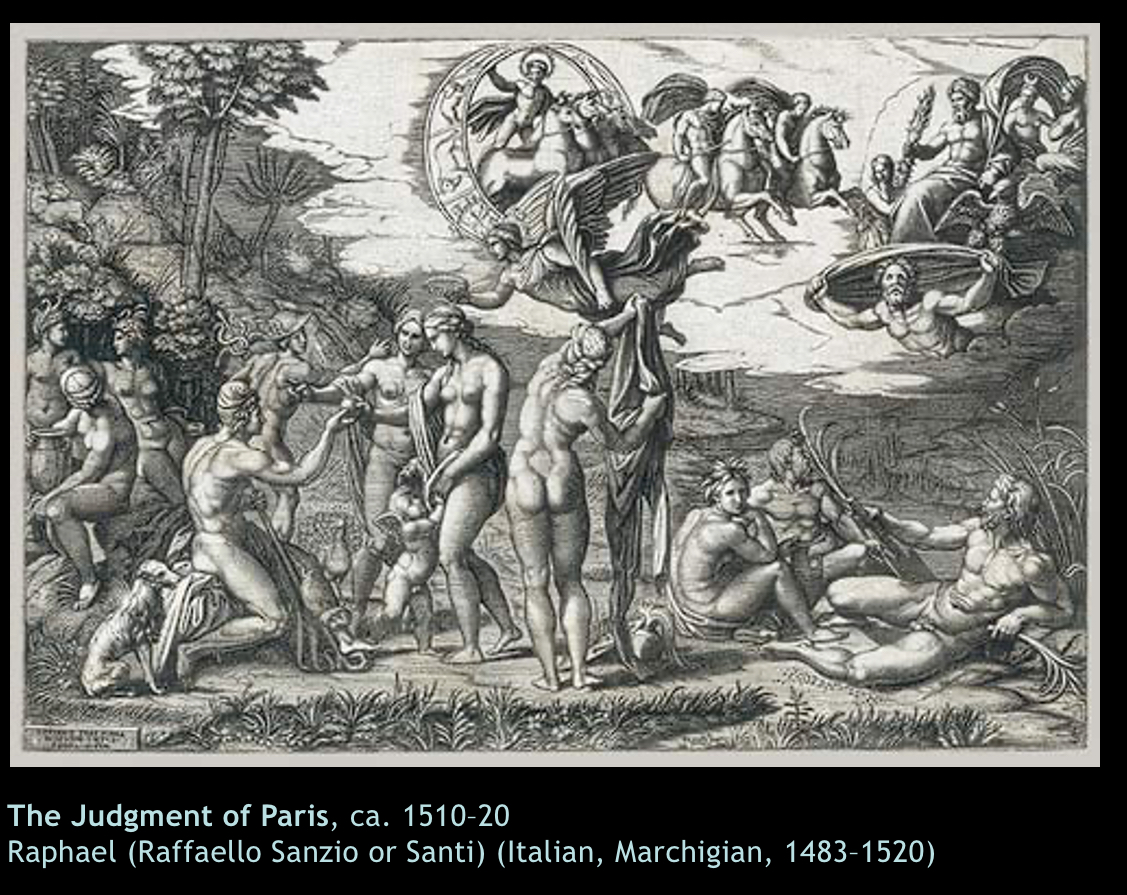
Consider this famous engraving of ‘The Judgment of Paris’ by Raphael, created circa 1510-20, and pay particular attention to the group of three figures on the lower right. Do they remind you of anything?

Let’s now skip over the engravings made soon after by Raimondo (left) and Marco Dente da Ravenna (right)….

….and consider this famous painting from the 19th century.

As Manet’s figures are clearly based on the three figures in those engravings is the painting ‘truly the product of his mind and skill’?

But the chain of ‘borrowing’ continues. Picasso sees the Manet painting and creates this, at least acknowledging his immediate source (or at least the Musee Picasso is acknowledging the source)

Then, in 1981, this album cover appears:

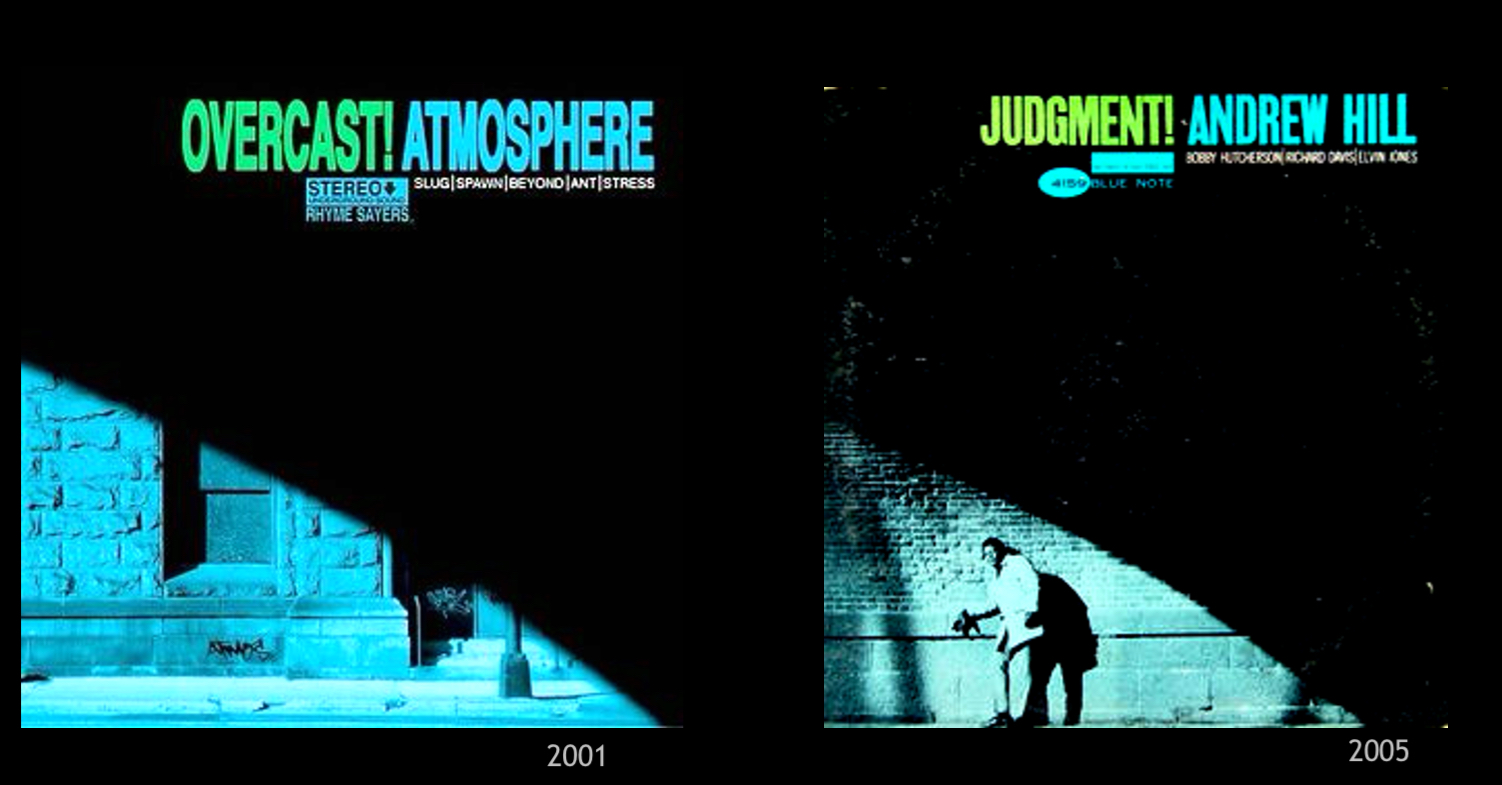
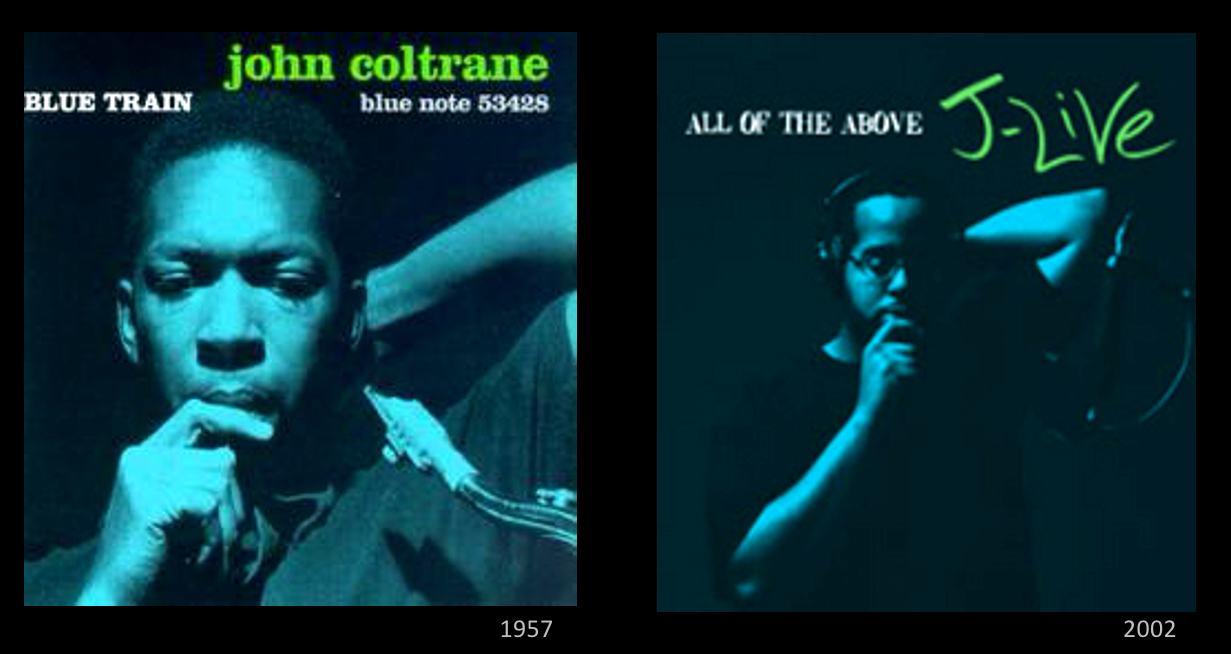
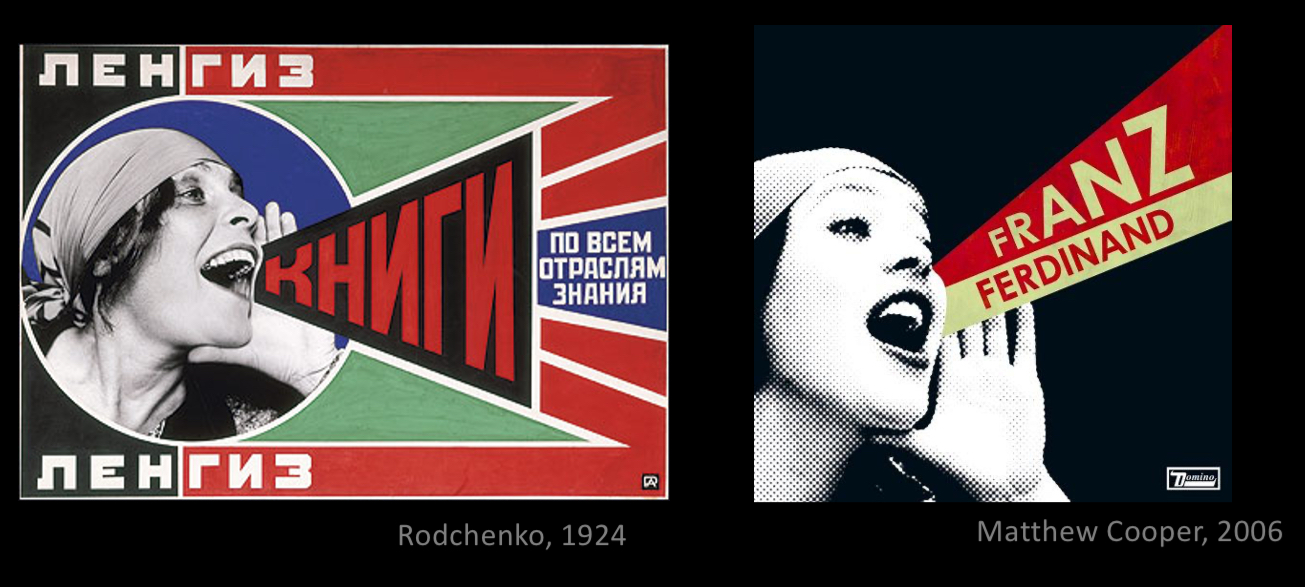
Or consider these album covers and that university statement about there being ‘few intellectual offences more serious than plagiarism in academic and professional contexts.’

It seems clear, particularly in regard to art works, that a conception of the creative process that imagines that new works are original and autonomous may often be at odds with actual acts of creation that in many instances involve copying, directly referencing, adapting and other uses of existing works.

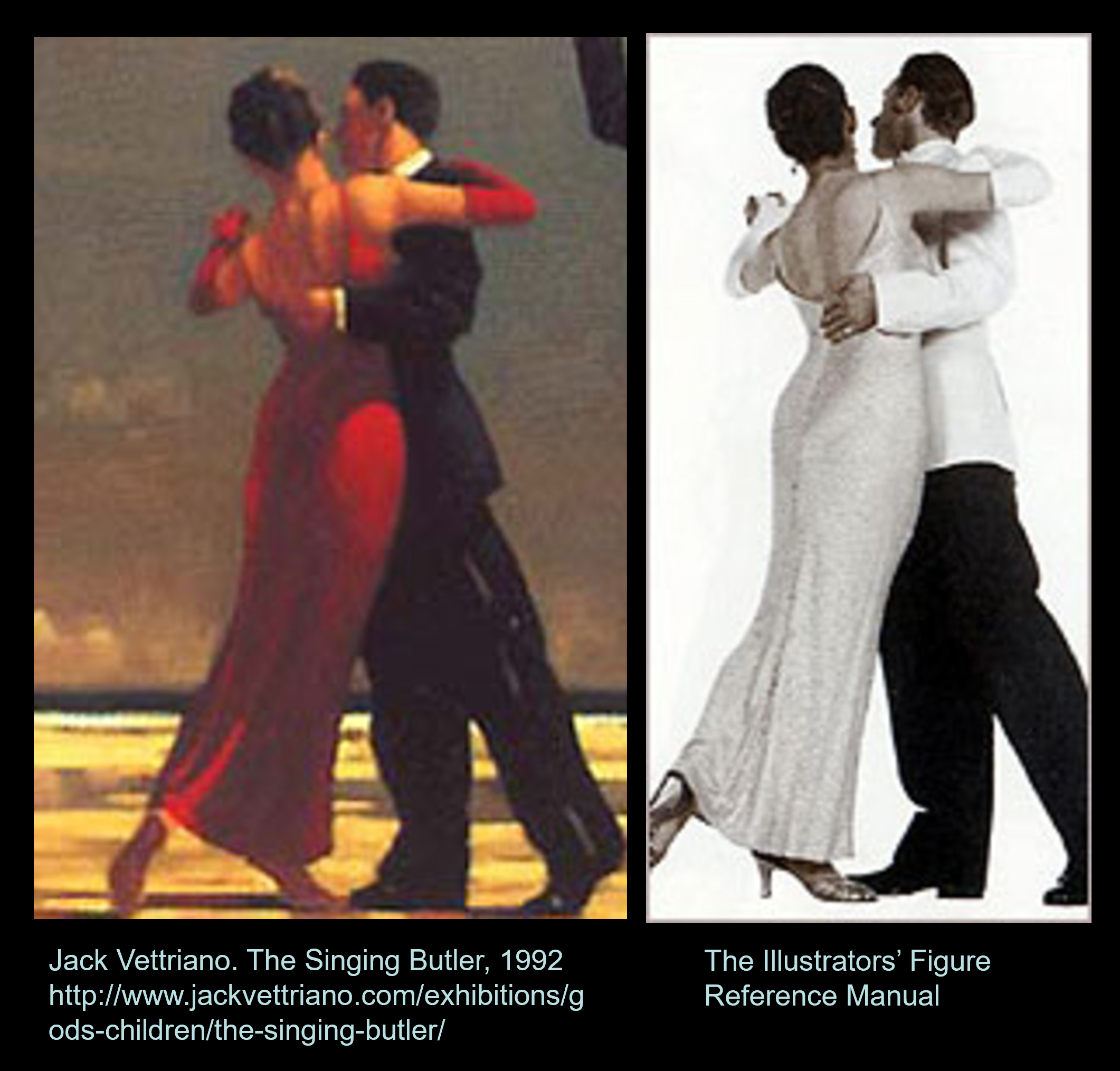
While some artists e.g. Manet and Picasso are lauded for their appropriation of previous art, the popular artist Jack Vettriano, who died recently, was frequently dismissed by the art establishment for being derivative and unoriginal (as well as popular!). The often quoted example is that the two dancing figures in his most famous work ‘The Singing Butler’ (section below) – the most popular art print in the UK – were virtually direct copies of the dancing figures from The Illustrator’s Figure Reference Manual.


In a number of disciplines and fields of study terms such influence, intertextuality, formulaic cultural production, appropriation and borrowing are important parts of the disciplinary discourse. In art and literary criticism, terms such as intertextuality, allusion, quotation, and influence are used, In musicology terms used to discuss relationships between musical texts include borrowing, self-borrowing, transformative imitation, quotation, allusion, homage, modeling, emulation, recomposition, influence, paraphrase, and indebtedness. Brahms, for example, openly admitted the strong influence of Beethoven. His First Symphony is sometimes referred to as ‘Beethoven’s Tenth’ and Brahms famously stated, “You have no idea how it feels to hear his footsteps constantly behind you.” In the context of plagiarism in popular music, the work of the forensic musicologist Joe Bennett is worth reading and listening to. One of the problems with identifying plagiarism is that, if and when it comes to court and as Bennett also makes clear in his work and research, what sounds superficially similar – certainly on first hearing – to a jury of ‘ordinary people’ is actually far more complex. Certain combinations of notes and chords are so ubiquitous across the musical landscape that they have become ‘commonplace’ items and are, in fact, common property.

As examples accumulate it becomes apparent, as Jonathan Lethem wrote in The Ecstasy of Plagiarism (2007) ‘that appropriation, mimicry, quotation, allusion, and sublimated collaboration consist of a kind of sine qua non of the creative act, cutting across all forms and genres in the realm of cultural production.’

The final example, returning to the two images at the start, is the cautionary tale of a book cover from 1974 and a very large painting that was a Turner Prize finalist in 2000. The full story of the plagiarism furore it caused and the law suit that followed can be read here https://artquest.org.uk/artlaw-article/originality/ , but here are the bare bones.

In 1974, Robert Heinlein’s book ‘Double Star’ was published with a cover created by the sci-fi artist Anthony Roberts. In 2000, the artist Glenn Brown’s large painting ‘The Love of Shepherds’ was chosen as a finalist in that year’s Turner Prize. Brown frequently uses the work of other artists in developing his large-scale work and is known for the use of art historical references in his paintings (as did Manet and Picasso). Starting with reproductions from the works of other artists, his biography states that he “transforms the appropriated image by changing its colour, position and size”.

Anthony Roberts was alerted to the similarity with his own painting for the book cover after a visitor to the Turner Prize exhibition noticed the similarity and the story hit the headlines. Roberts sued Brown and eventually the case was settled out of court. The painting is now titled ‘The Love of Shepherds’ (after ‘Doublestar’ by Anthony Roberts).


When a university states that students must “understand what constitutes plagiarism, so that you will not unwittingly jeopardize your college career” perhaps they should clarify precisely what they mean. If they are referrring to plagiarism in a purely academic context i.e. writing essay, dissertations etc. then what is and is not plagiarism is, or should be clear. But beyond that, particularly in the areas of creative practices, we enter the ‘Grey Zone’, and we should be ensuring that understanding plagiarism also means enabkling students successfully and effectively to understand, appreciate and negotiate their way through that grey zone.